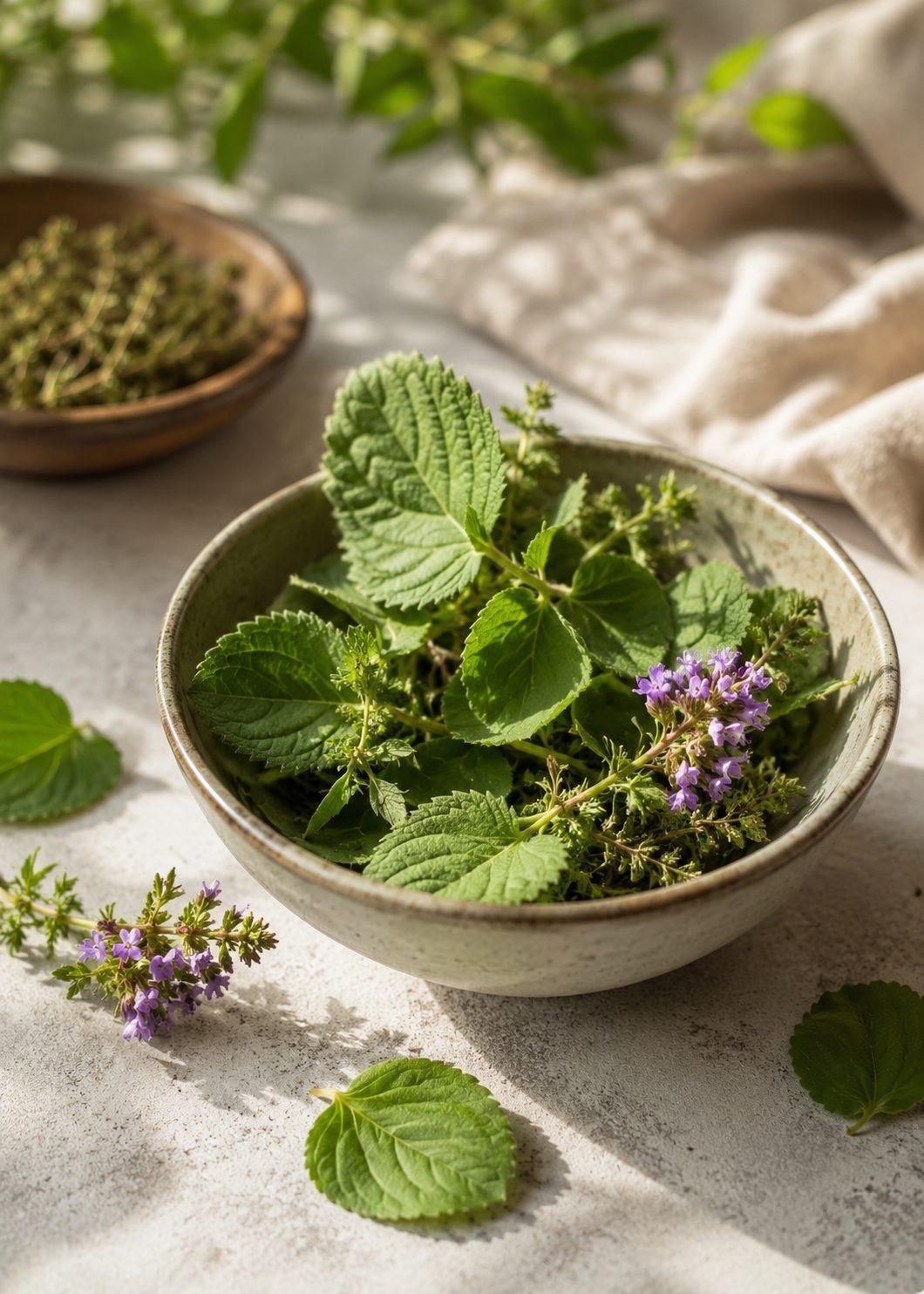
Psoralea corylifolia
- Common Name:
- Babchi | Bakuchi
- Scientific Name:
- Psoralea corylifolia L.
What Makes It Special
When pigmentation begins to fade, the skin needs support for the cells responsible for producing melanin. Psoralea corylifolia, commonly known as Babchi or Bakuchi, has a long history of traditional use in pigmentation-focused skin care. In Vitizene Gel, it is included to help support melanocyte stimulation and healthy melanin production. It forms part of the triple botanical complex, working alongside Coleus forskohlii and White Curcumin to support natural repigmentation and the restoration of healthy-looking skin colour. Its role is not separate from the rest of the formula; it complements the other botanical actives as part of one complete topical approach.

Did you know
Known as Babchi or Bakuchi
Psoralea corylifolia is commonly known as Babchi or Bakuchi.
Ingredient Benefits
Four ways Psoralea corylifolia supports natural pigmentation as part of Vitizene Gel.
Helps support the natural processes involved in healthy skin pigmentation.
Helps support melanocyte activity for melanin production.
Forms part of a botanical complex designed to support natural repigmentation.
Helps support restoration of more even, healthy-looking skin pigmentation.
Ingredient Statistics
85% Progressive Repigmentation
Observed with the finished Vitizene Gel formulation.
Visible Results in 3 Months
Observed with the finished Vitizene Gel formulation.
Non-Steroidal Formulation
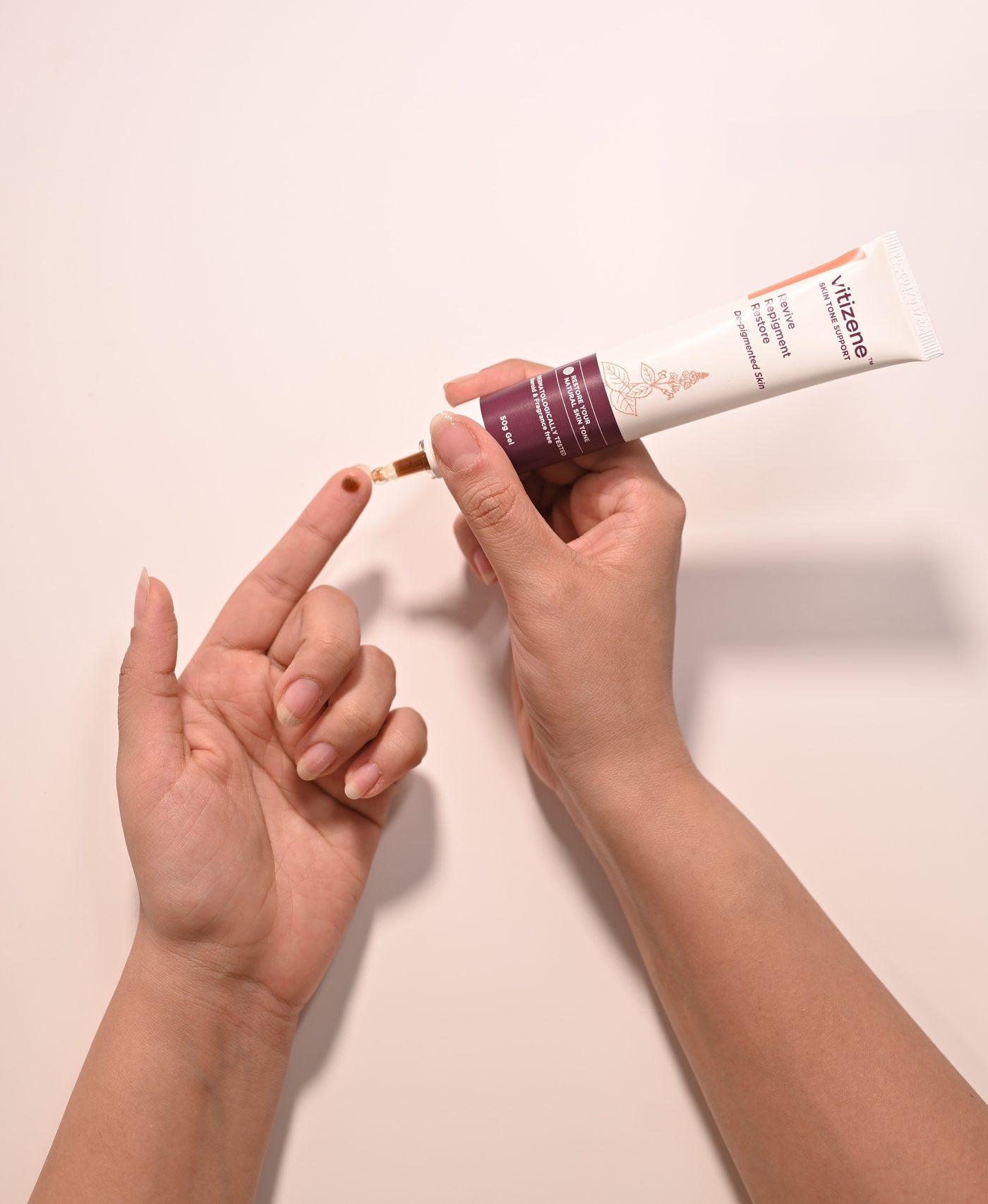
Vitizene Gel is a non-steroidal formulation developed for vitiligo care.
Where You’ll Find It
Formulated in Vitizene Gel
Psoralea corylifolia is found in Vitizene Gel as part of the triple botanical complex. Alongside Coleus forskohlii and White Curcumin, it helps support melanocyte stimulation, healthy melanin production and natural repigmentation.
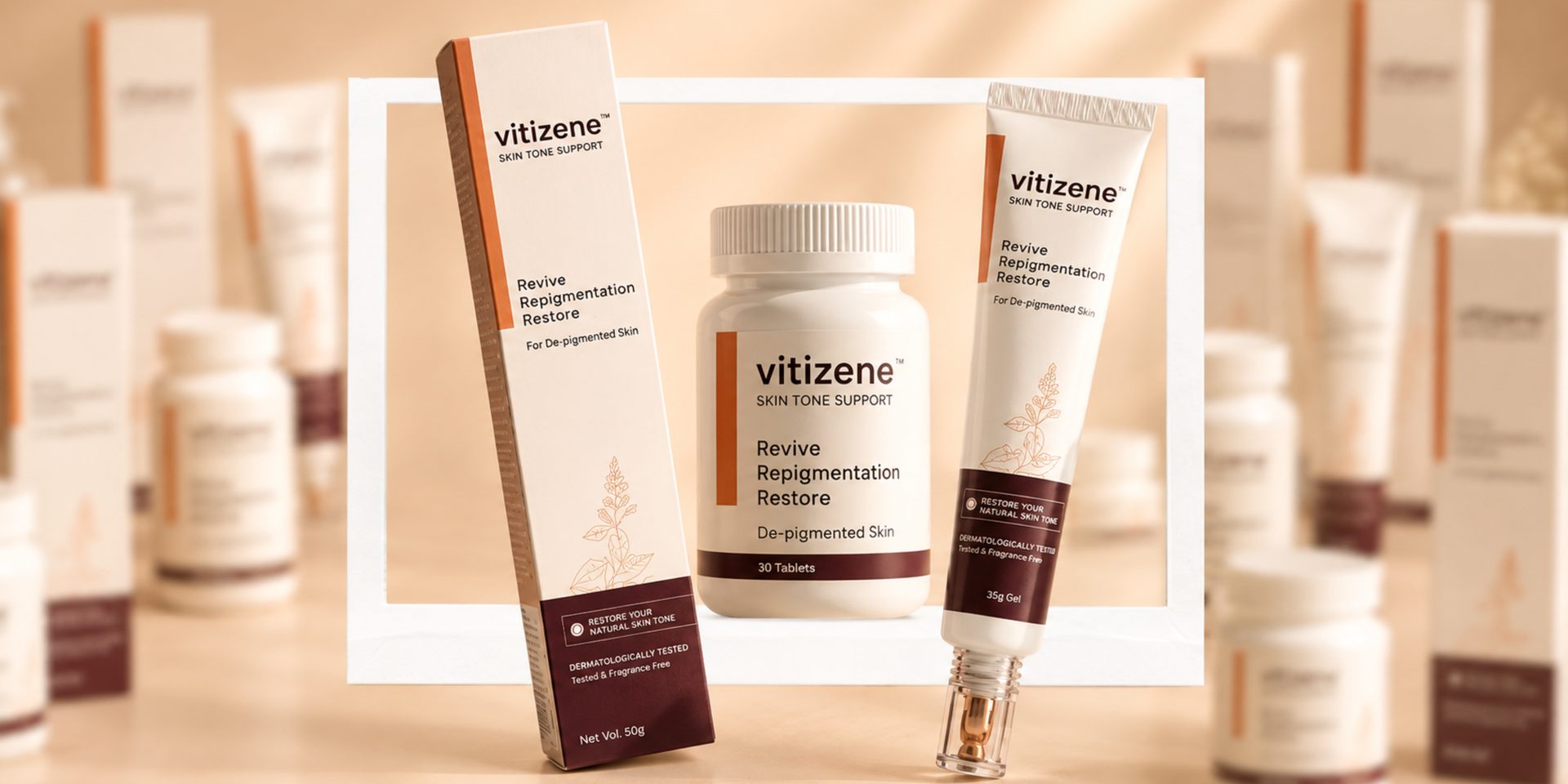
Ready to Support Healthy-Looking Pigmentation?
Explore Vitizene Gel and discover how its triple botanical complex supports melanocyte activity, pigmentation and natural repigmentation.