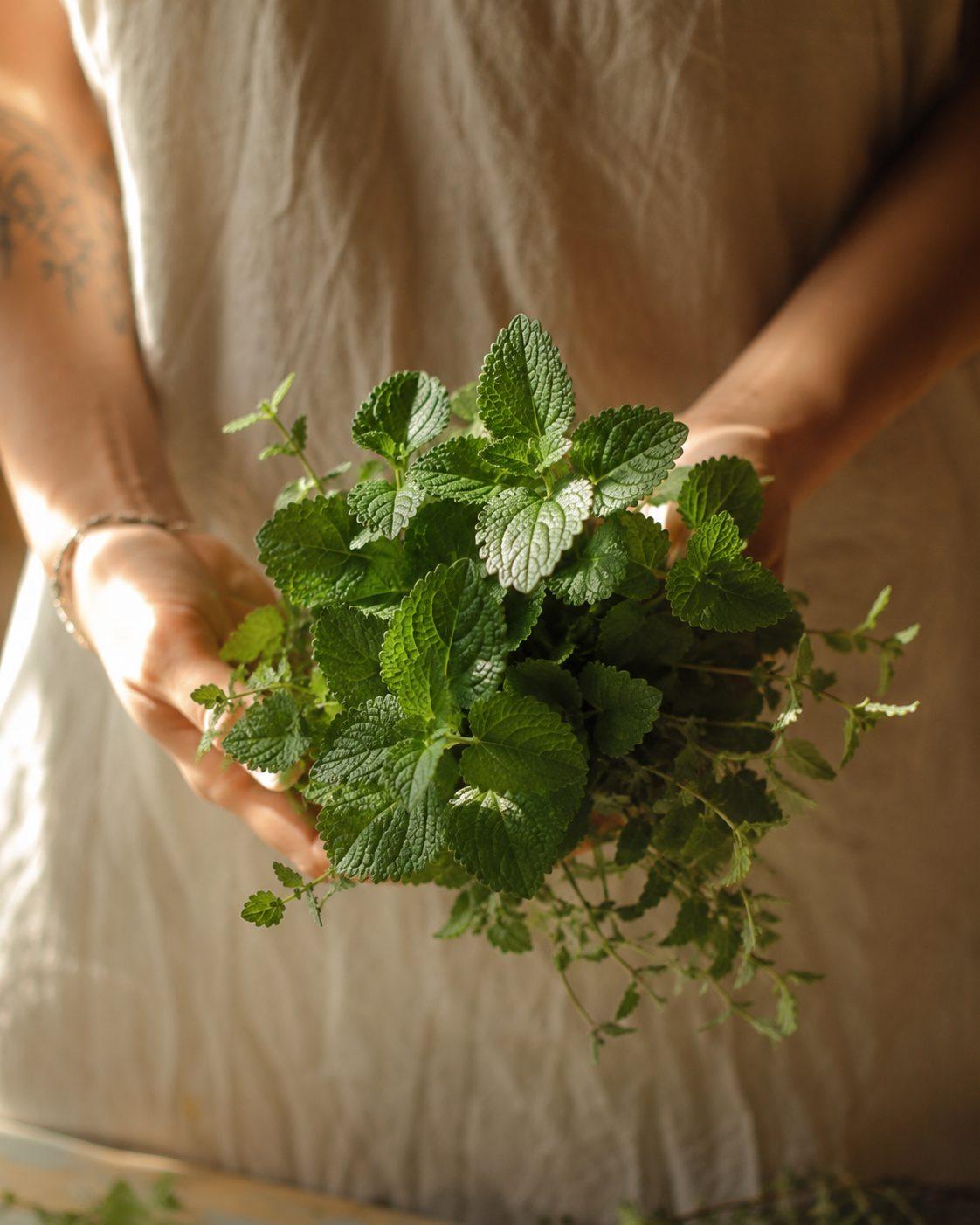
Coleus forskohlii
- Common Name:
- Indian Coleus | Makandi
- Scientific Name:
- Coleus forskohlii
What Makes It Special
Healthy pigmentation depends on melanocytes being active and able to produce melanin. Coleus forskohlii is included in Vitizene Gel to support both of those processes. Known for its naturally occurring compound forskolin, it forms part of Vitizene’s triple botanical complex and works alongside Psoralea corylifolia and White Curcumin. Together, the three ingredients are designed to support natural repigmentation in vitiligo-prone skin. Coleus forskohlii brings the melanocyte-activation and melanin-synthesis support within that complete topical approach, helping the formula focus on the processes involved in restoring healthy-looking skin pigmentation.

Did you know
Known as Indian Coleus or Makandi
Coleus forskohlii is traditionally known as Indian Coleus or Makandi.
Ingredient Benefits
Four ways Coleus forskohlii supports healthy pigmentation as part of Vitizene Gel.
Helps support the activity of melanocytes, the cells responsible for melanin production.
Helps support the natural process of melanin formation.
Contributes to the botanical complex designed to support healthy skin pigmentation.
Used in Vitizene Gel as part of a non-steroidal topical approach to repigmentation support.
Ingredient Statistics
85% Progressive Repigmentation
Observed with the finished Vitizene Gel formulation.
Visible Results in 3 Months
Observed with the finished Vitizene Gel formulation.
Suitable for Long-Term Use
Vitizene Gel is designed for long-term use.
Where You’ll Find It
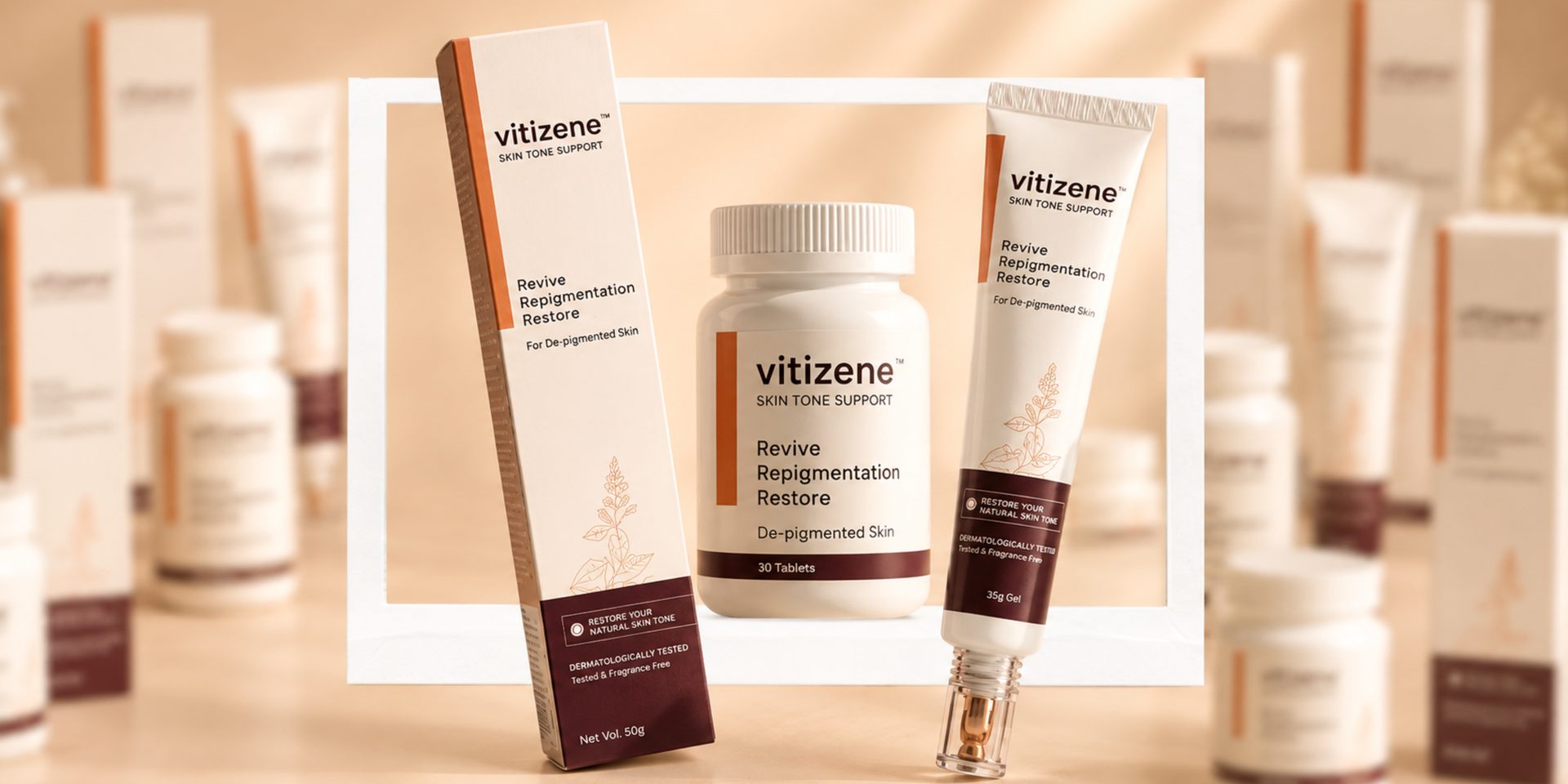
Formulated in Vitizene Gel
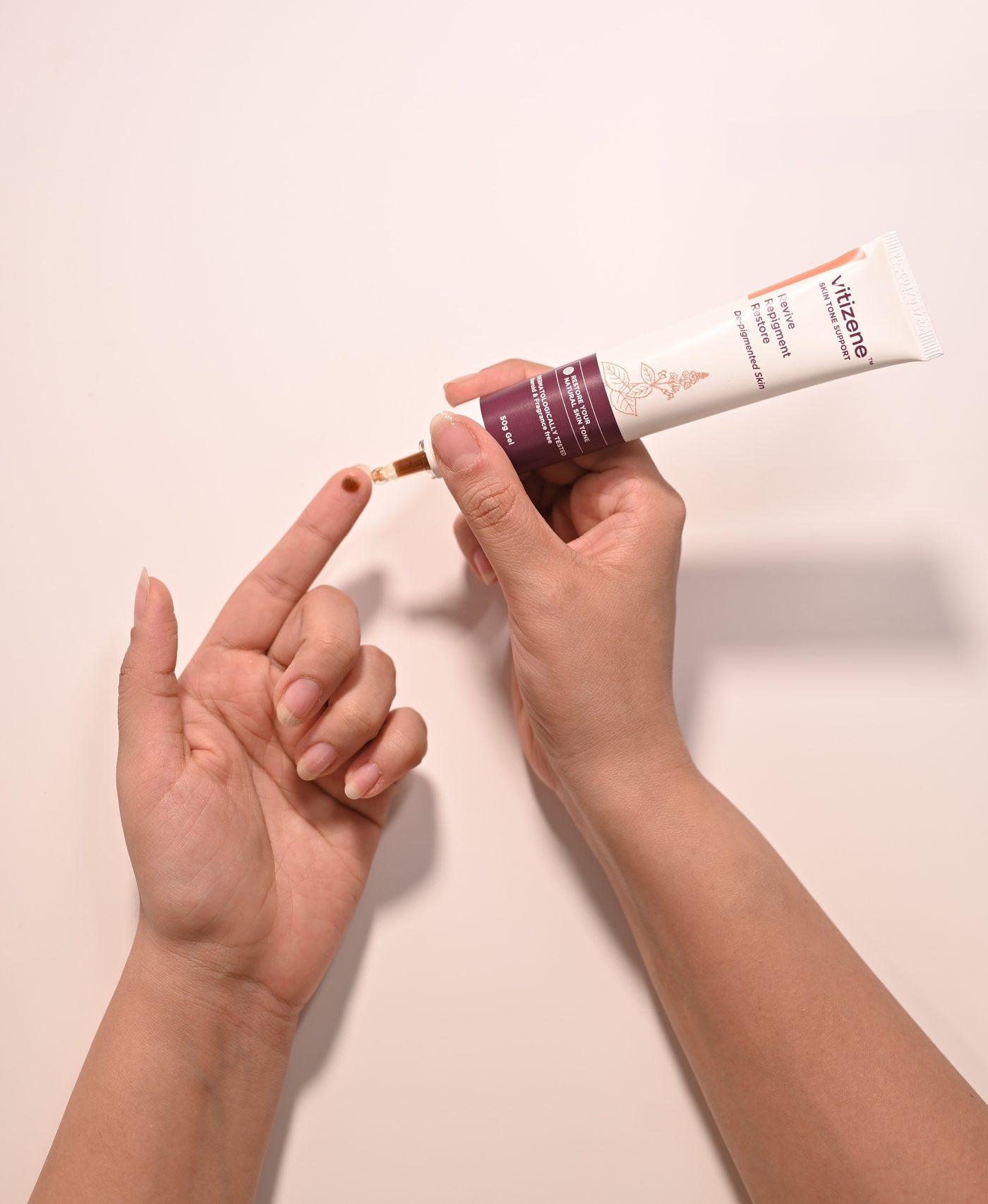
Coleus forskohlii is found in Vitizene Gel as part of the triple botanical complex. Alongside Psoralea corylifolia and White Curcumin, it helps support melanocyte activation, melanin synthesis and natural repigmentation.
Ready to Support Healthy-Looking Pigmentation?
Explore Vitizene Gel and discover how its triple botanical complex supports melanocyte activity, pigmentation and natural repigmentation.